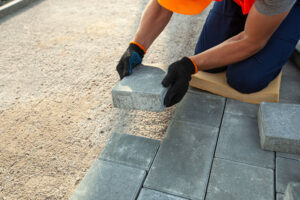
How to Cut Paving Slabs
Cutting paving slabs is a straightforward job when you have the right tools and know what you’re doing. By following this comprehensive guide by Minster


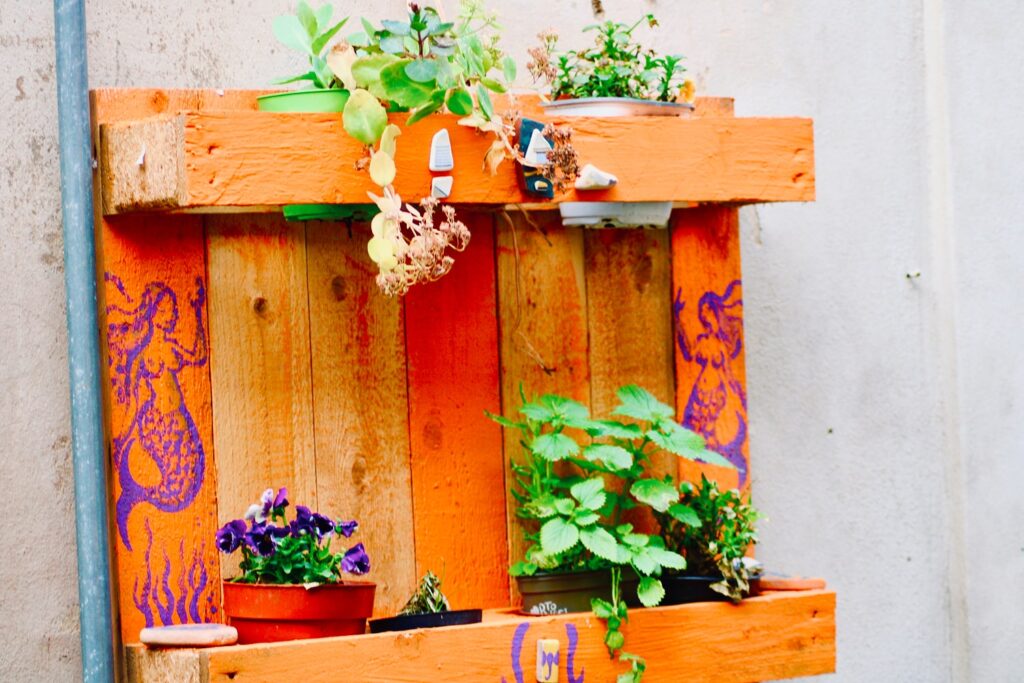
Creating an eye-catching garden doesn’t have to break the bank. Upcycling gives a new lease of life to everyday household items, creating a sustainable outdoor space on a modest budget – one that can be enjoyed all year round!
In this article, we’ll explore a range of inventive upcycling ideas – from makeshift garden furniture to abstract planters – that transform the ordinary into something truly extraordinary, all while doing your bit for the planet.
There are many benefits to repurposing old household goods for your garden, including:
Let’s explore some of the best upcycling garden ideas to try, regardless of your budget or DIY experience. If you’ve got any ideas that you’d like to share, feel free to get in touch, and we’ll add them to the list!
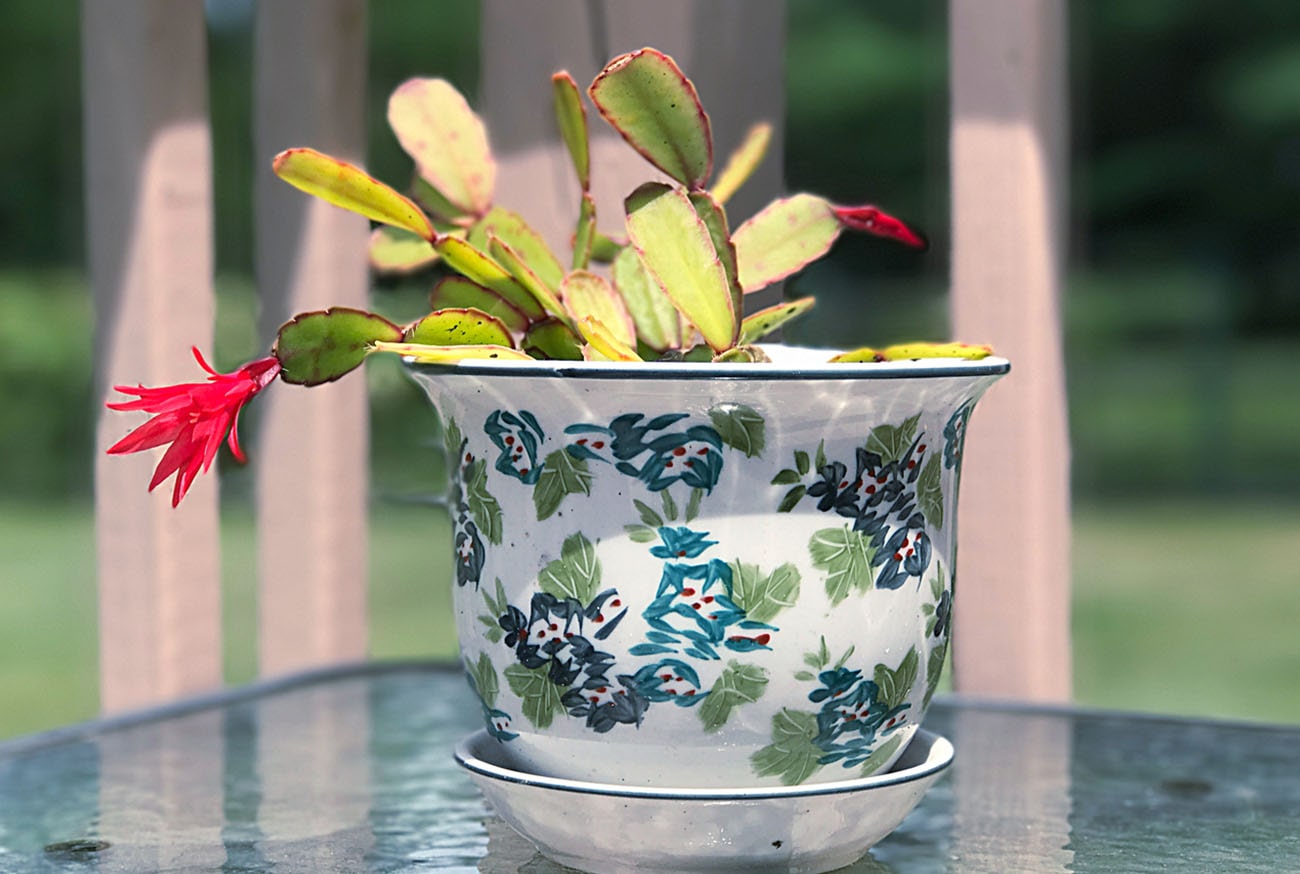
Chipped china, vintage mixing bowls, or old casserole dishes make charming, shallow planters for a range of different succulents, alpine plants, or trailing herbs. Carefully drill a few drainage holes in the base, fill with potting soil, and nestle the planter into a snug spot on a windowsill, shelf, or patio table. For extra creativity, why not paint the bowl or dish to match the surrounding space?

A weathered wooden ladder can be propped against a wall or fence to create a tiered display for pots and hanging baskets. Lightly sand off loose paint, treat with an eco-friendly sealant, then arrange terracotta pots, galvanised buckets, or upcycled tins on each step for a vertical garden structure that’s bound to catch the eye of any visitors to your garden.

Old gilt or painted-wood mirrors can be waterproofed with exterior varnish and mounted on a garden wall or fence to reflect light and create the illusion of extra space. We’ve even seen some homeowners frame multiple small mirrors in a “hall of mirrors” style to bounce sunlight onto shade-loving plants, which looked great!

Salvaged timber window frames, hinged together or secured on sturdy posts, can be fashioned into a lightweight pergola for a significantly cheaper price. Climbing roses, clematis, or hardy beans twine through the panes and form a charming canopy for an outdoor dining area or secluded seating space.
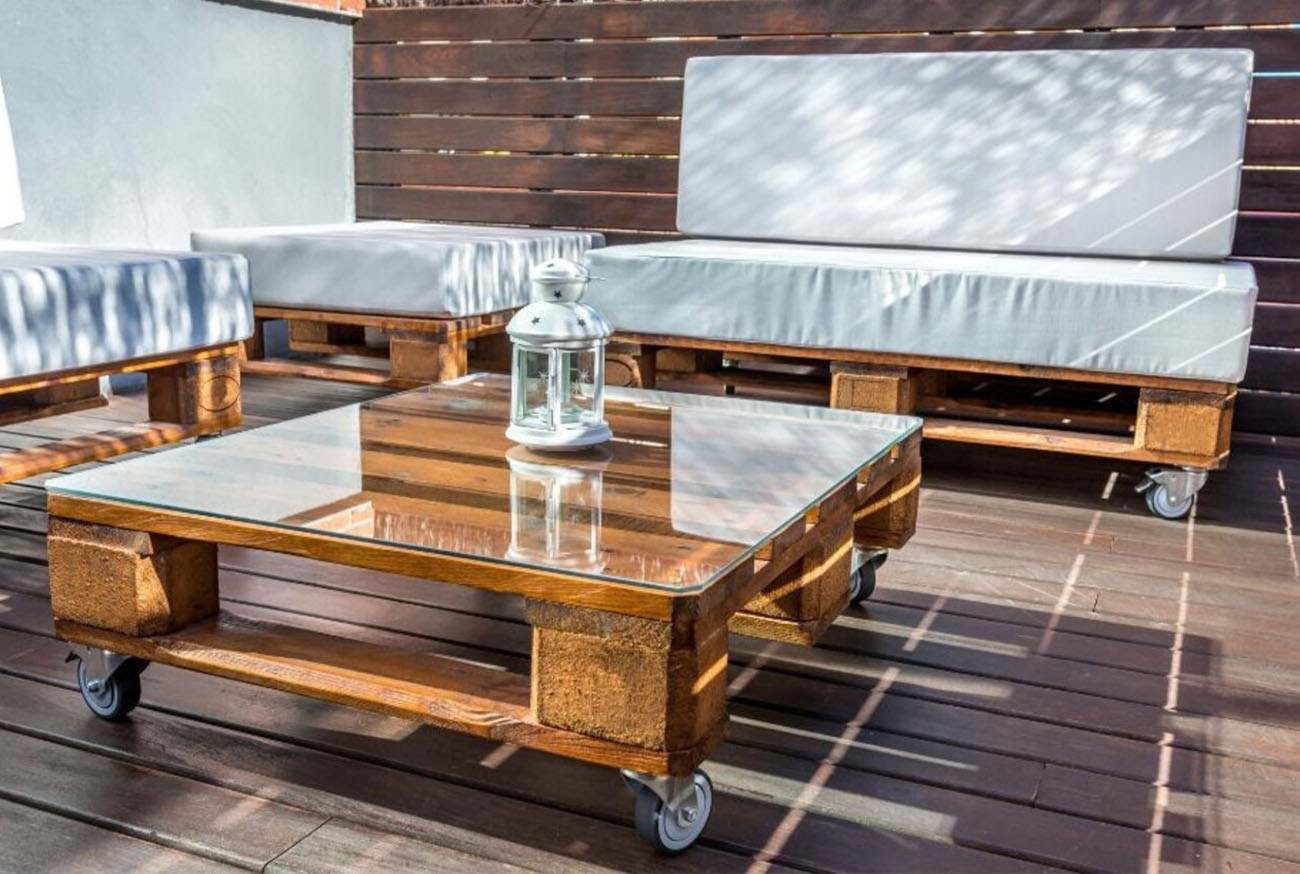
Wooden pallets are highly versatile items that suit many different garden purposes. Simply disassemble or stack untreated pallets to form the base of a low coffee table, bench, or even a full dining set. After a thorough sand and coat of exterior-purpose paint, top with a piece of reclaimed decking board or tempered glass and cushions for stylish, budget-friendly seating.

This one’s a classic. Empty wine or spirit bottles become attractive lanterns when a string of battery-powered fairy lights is fed through the neck. Cluster bottles of different heights on a patio or hang from pergola beams with twine; the soft glow adds instant atmosphere to summer evenings without extra wiring.
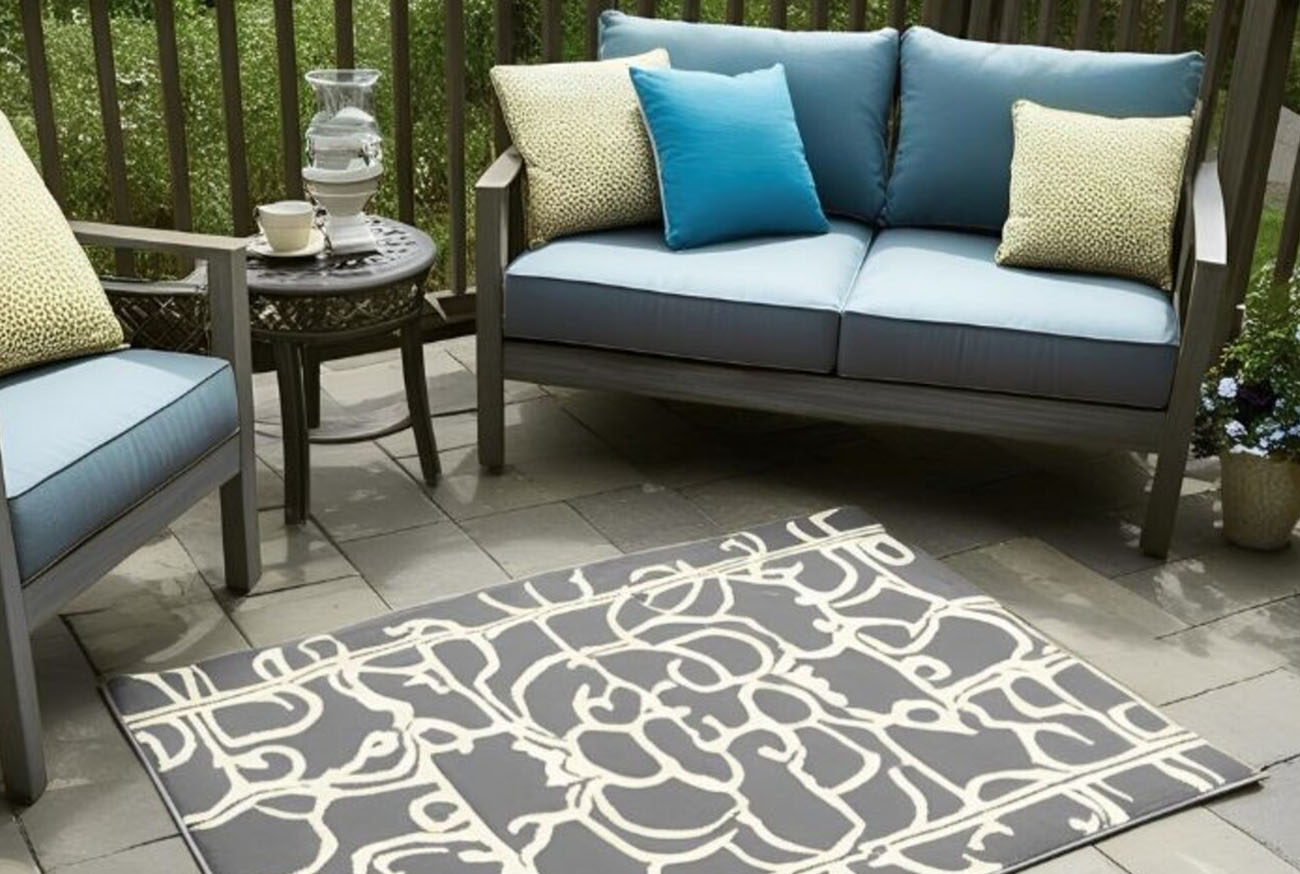
Worn-out towels or small bath mats can be upcycled into outdoor floor coverings, adding a splash of colour to your garden at no extra cost. Simply stitch together several lengths for larger areas (if needed), seal with a clear, water-resistant fabric treatment, and place it under your patio table.

Old car (or even tractor tyres!) can be stacked, painted to match your surrounding landscape with eco-safe exterior paint, then filled with compost to create sturdy raised beds or colourful container planters. Place shrubs in larger tyres, and smaller herbs in half-cut versions. If you’re wondering where to find old tyres, your local tyre centre may be able to provide you with some for free.
Water features are a great addition to any garden, and they don’t need to be expensive. Using disused drainage pipes or old pieces of guttering, you can create a mini waterfall amongst your garden plants. You’ll need a water feature pump and a source of water to bring this idea to life, which are inexpensive to purchase.
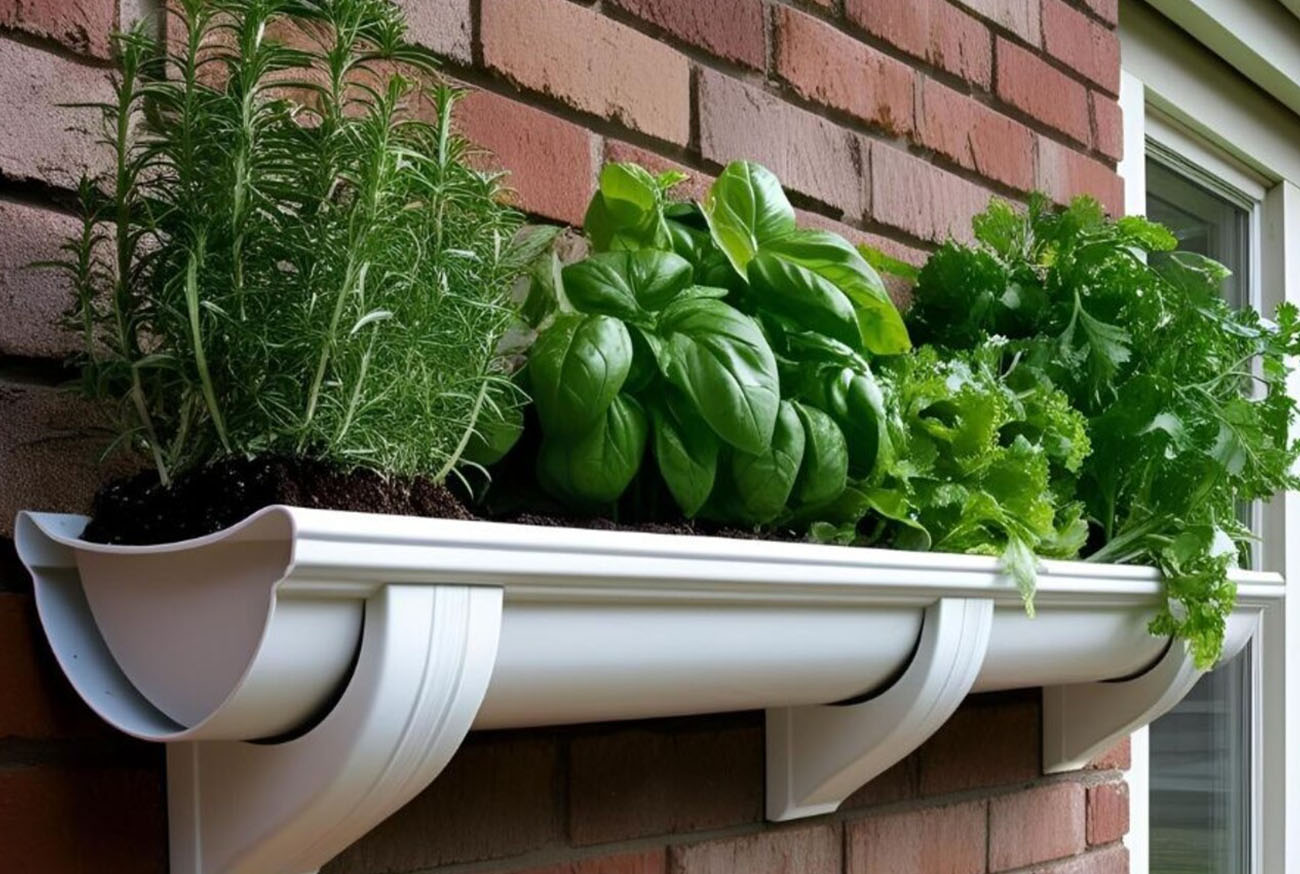
Old gutters aren’t just useful for water features – they can also be fastened to a wall or fence to create herb troughs. Simply drill drainage holes, mount at an accessible height, fill with topsoil, and plant in shallow-rooted herbs such as thyme, chives, and parsley. If the gutters have been fastened in a spot sheltered from rainwater, remember to keep your herbs well watered.

Vintage dresser drawers can act as great trough planters when fitted with a weed-control membrane and drainage holes. Arrange a mix of trailing and upright plants – such as lobelia, ivies and sedums – and group several drawers at different heights for added visual interest. If you’d prefer something simple, you could fill each drawer with potted plants instead.
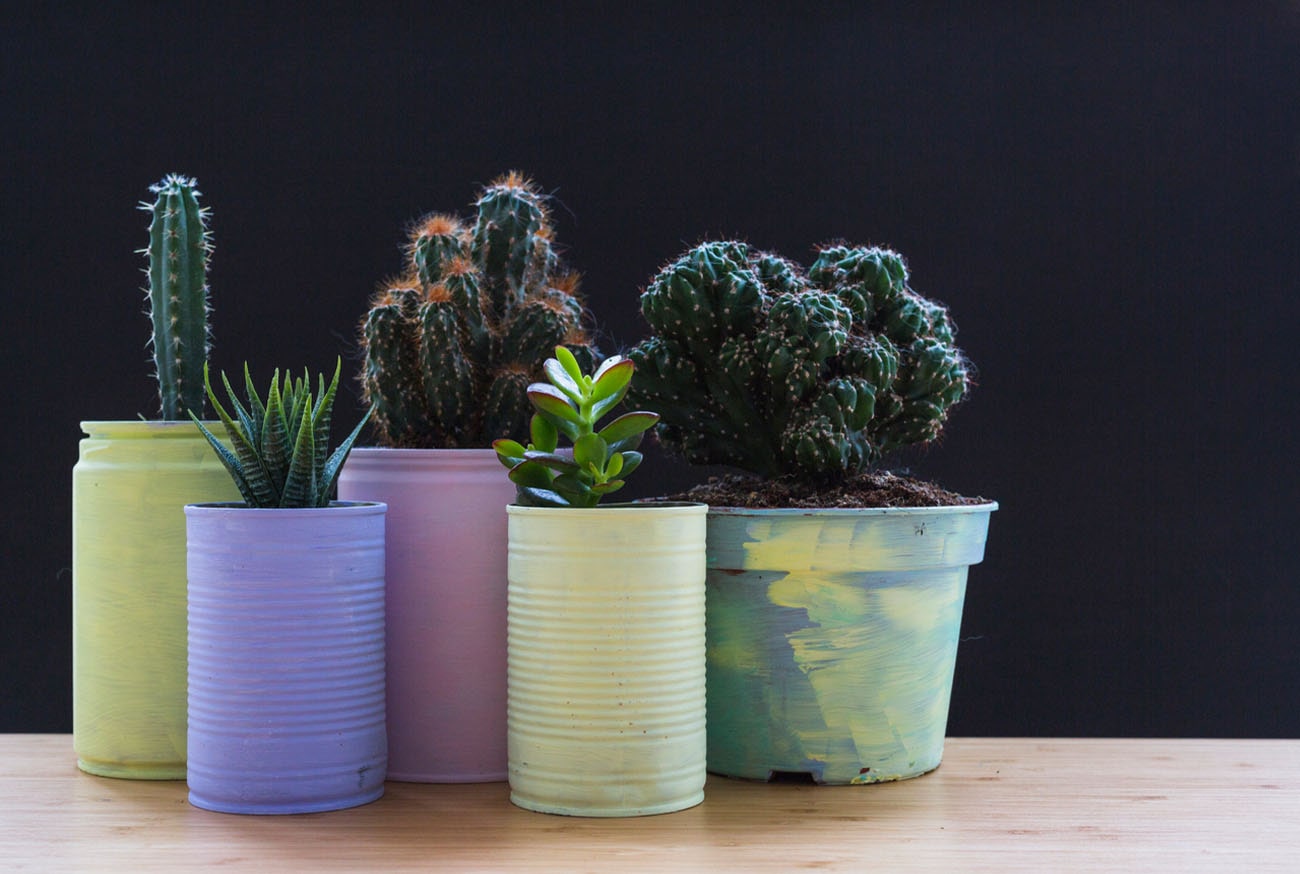
Sticking with upcycled planters, cleaned-out soup, coffee, or paint tins make handy pots for herbs, annual flowers, or succulents. After roughing up the exterior, coat with a primer and a durable, non-toxic paint (or, simply leave it plain); punch drainage holes in the base and display on windowsills, shelves, or as hanging baskets from hooks.

Half-barrels can be converted into attractive water features that are suitable for many different garden styles. Fit a small solar-powered pump into the hollow of the barrel, stack a series of old stone slabs above, and watch water cascade back into the barrel basin, attracting birds and other local wildlife. Sounds peaceful, doesn’t it?
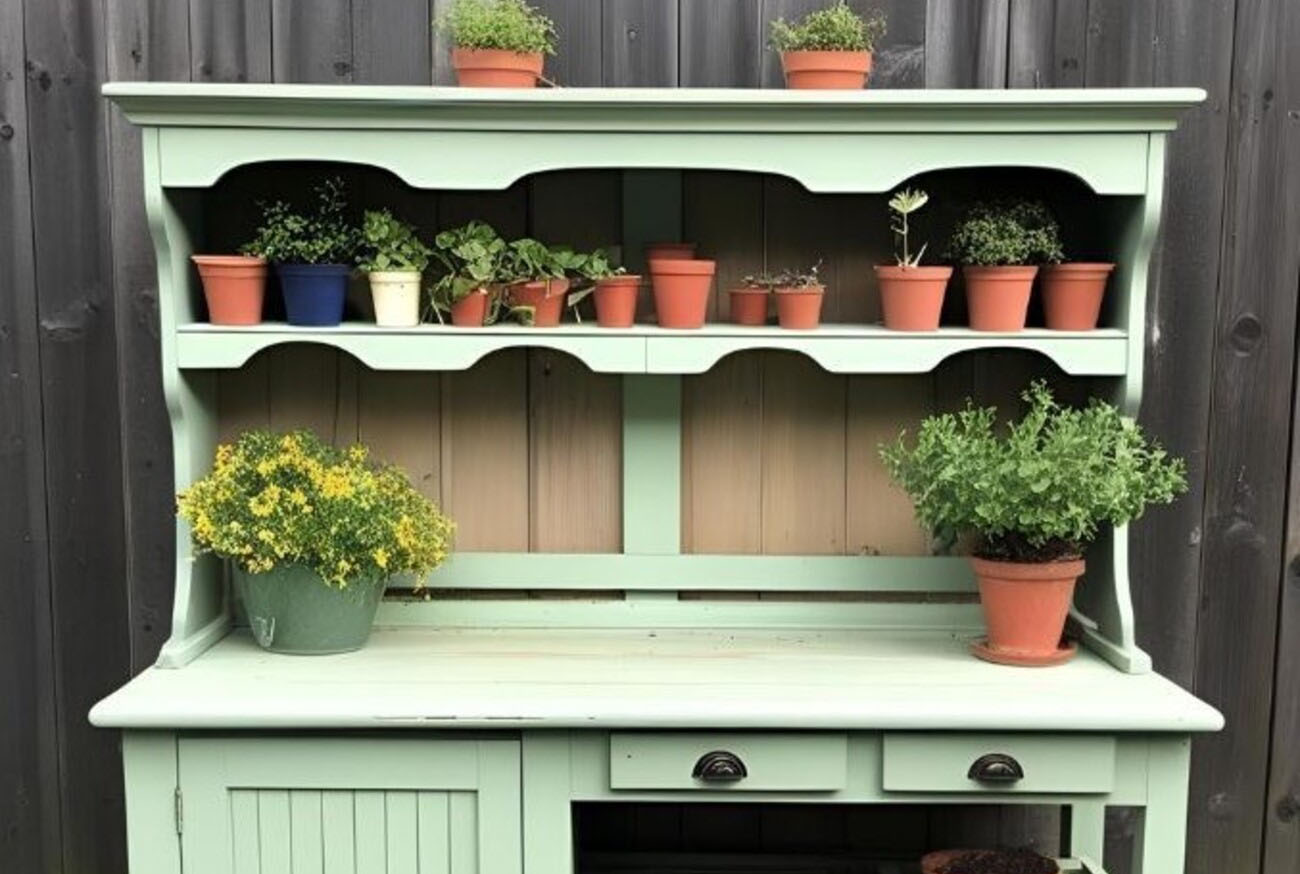
A disused kitchen cupboard, with the doors removed and shelves adapted as work surfaces, can be transformed into a cost-effective potting station. Line the base with a waterproof tray for stray soil, fit hooks on the side for trowels and gloves, and repurpose the drawers for seed packets, labels, and other gardening goods. Simple, yet practical and stylish.

This idea is an opportunity to really let loose with your creativity, and can look great when finished. You could combine driftwood, metal offcuts, broken tiles, bicycle parts, or even old tools into bespoke garden art that can’t be bought elsewhere. Secure pieces using wooden posts or weld them together if you have the tools to do so, to create focal-point sculptures that celebrate reclaimed materials and your own creativity.
An old metal bicycle wheel, hung vertically on a fence or wall, provides an instant trellis for climbing plants such as sweet peas or ivy. The spokes create natural supports, and a lick of rust-inhibitor paint helps it survive the good ol’ British weather. Different-sized bike wheels mounted alongside each other could make an interesting display, so this is perhaps something to try.
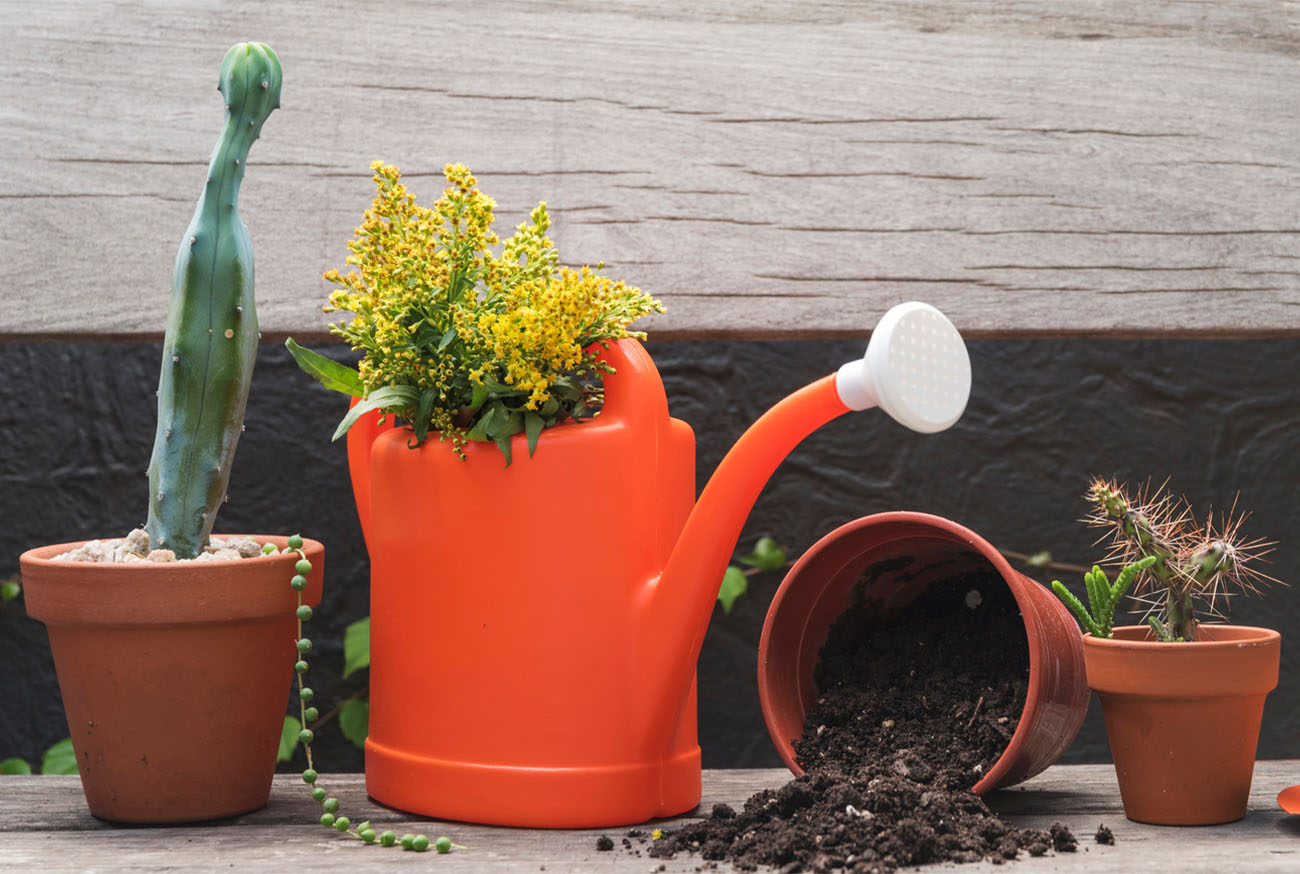
Returning to the planter theme, watering cans or an old wheelbarrow can be cleaned out, given a light coat of rust-inhibitor and filled with compost to become unique containers. Position them at different angles, spilling plants like petunias or calibrachoa from the mouth of the can or the edge of the barrow for a creative cascade effect.
If, like many, your garden could benefit from a bit of extra privacy from onlooking neighbours, old wooden window shutters or blinds are a great way of adding seclusion. Simply hinge these together to form a freestanding screen which can divide areas of your garden or hide private seating areas.
Although upcycled goods are sustainable and help you save money, the fact that they’re past their original uses means they might need a bit of extra TLC. Therefore, you should:
At Minster Paving, our team of garden experts are always on hand to provide advice to those who are giving their garden a new lease of life. From paving slabs to garden drainage, we’re knowledgeable about what looks and works best for your needs. Simply get in touch with us today, or visit us at our Oxfordshire-based showroom to view a selection of our products.
Cutting paving slabs is a straightforward job when you have the right tools and know what you’re doing. By following this comprehensive guide by Minster

How Much Fall Should a Patio Have? This is the question that many people ask when they begin to build their first patio. We’ve created


