Garden walls can solve very different problems. Perhaps your garden slopes and you’re losing valuable usable space, you need to define a boundary, an old wall needs replacing, or you simply want to add structure and interest to your garden.
This guide covers practical, buildable garden wall ideas, including garden retaining wall ideas for sloping sites, boundary walls, raised beds and terracing, with advice on materials, drainage and what’s realistic as a DIY project.
From the material you choose to the way the wall is incorporated into your garden, there are plenty of garden walling ideas to consider.
Contents
- 10 Garden Walling Materials to Choose From
- 3 Garden Wall Styles to Consider
- Garden Wall Finishing Touches
- Which Type of Wall Is Best For Your Garden?
- What You Need to Know Before You Build
- Does a Garden Retaining Wall Need Drainage?
- Is Building a Garden Wall a DIY Job?
- Do You Need Planning Permission for a Garden Wall?
- Ready to Build Your Garden Wall?
- Garden Wall FAQs
10 Garden Walling Materials to Choose From
Cotswold Walling
For a traditional stone wall with plenty of character, Cotswold Walling creates the look of smaller stone blocks within a larger wall unit. Its classic appearance makes it particularly well suited to period properties, cottage gardens and countryside settings.
As well as being relatively easy to build, Cotswold Walling is low maintenance and can be used for retaining walls, raised beds and boundary walls, making it a versatile option when you want traditional styling without the complexity of building with individual stones.
Random Walling
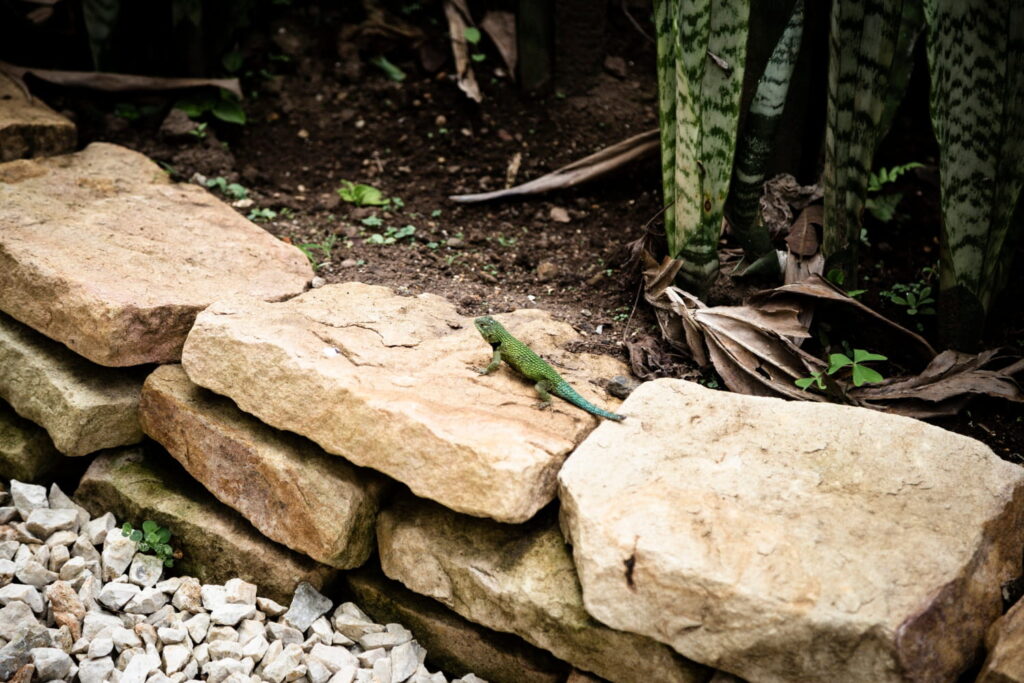
If you prefer a more informal wall with an irregular, hand-built appearance, Random Walling creates the look of a traditional drystone wall without using individually selected stones. The irregular stone shapes give the finished wall a more relaxed, organic look that works particularly well in cottage and countryside gardens.
It’s a popular choice for its characterful appearance and is relatively easy to build. At lower heights, the wall can also double as informal seating, making it a practical addition around patios, borders or entertaining areas.
Tumbled Brick Walling
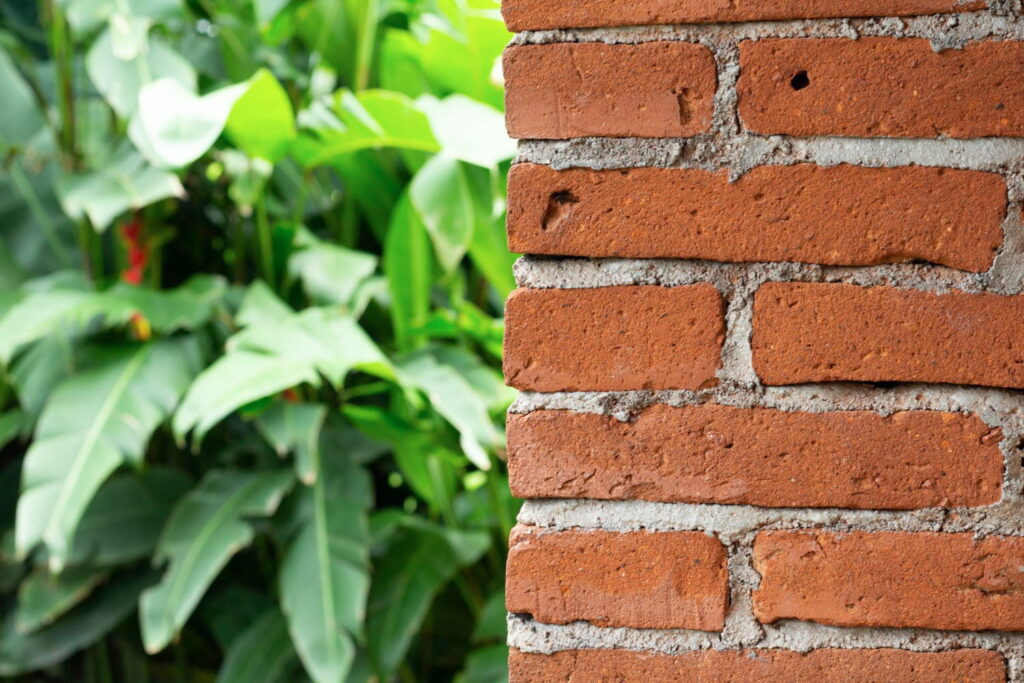
For the appearance of an old, established brick wall without the cost of traditional materials, Tumbled Brick Walling offers a cost-effective option with plenty of character. The tumbled finish gives the wall a naturally aged appearance, making it easy to introduce a sense of history and texture into your garden. The tumbling process gives the bricks softened edges and a weathered appearance, helping a new wall look more established rather than freshly built.
It works well in both traditional and more understated contemporary gardens, making it a versatile choice for budget-conscious projects where appearance still matters.
Double Sided Walling
If your garden wall will be visible from both sides, Double-Sided Walling is designed to look attractive from either direction. Unlike single-faced walling, it doesn’t have a plain or unfinished back, making it particularly suited to freestanding boundaries and garden dividers.
This means you can create a wall that looks finished from every angle without having to build two separate faced walls or add additional cladding. Depending on the finish, it can work equally well in traditional and contemporary garden designs.
Coursed Natural Building Stone
Unlike manufactured or reconstituted walling, Coursed Natural Building Stone is made from genuine natural stone, with varied heights and random lengths creating a naturally irregular finish. It’s particularly well suited to traditional gardens and properties where you want the character of real stone.
The stone can be laid straight from the pallet, with no need to sort, tool or chop individual pieces before building. This makes installation more straightforward while helping to minimise wastage, giving you the variation of stone without the preparation typically involved in working with individually selected pieces.
Porcelain Cladding
For a more modern alternative to traditional stone walling, Porcelain Cladding creates a crisp finish with the clean lines and consistent surface associated with porcelain. It’s particularly suited to contemporary gardens and new-build properties, where it can complement sleek paving, rendered walls and minimalist planting.
Rather than forming the structural wall itself, porcelain cladding is applied to a suitable surface to change its appearance. It offers a quick and versatile way to introduce a more refined finish to external walls without the heavier, more traditional look of stone or brick.
Timber and Railway Sleepers
Timber and railway sleepers are a popular choice for raised beds and low retaining walls, offering a natural, rustic finish without the cost or complexity of building with stone. They work particularly well in cottage-style gardens and more relaxed contemporary spaces where a softer, less formal look is wanted.
Timber is relatively affordable and straightforward to work with, making it a practical option for many DIY projects. The lifespan will depend on the type of timber, its treatment and how much moisture it is exposed to, with treated hardwood generally offering better durability than untreated softwood.
The main limitation is that timber isn’t a permanent walling material. Where it remains in contact with damp soil, it will eventually rot, so stone or concrete may be a better choice if you’re looking for a longer-lasting solution.
Brick (Traditional and Contemporary)
Brick is a versatile choice for boundary walls and garden walls that need to complement an existing property. Traditional or reclaimed bricks can help a new wall blend naturally with a period home, while cleaner, modern bricks can create a more contemporary finish.
If you’re using brick for a retaining wall, the type you choose matters. Look for frost-resistant bricks suitable for damp conditions, as the wall will remain in contact with wet soil. Not every brick is designed for this application.
Durable and relatively low maintenance, brick is a practical long-term option when you want a wall that complements the architecture and wider style of your property.
Concrete Block
Concrete blocks are a practical option for retaining and boundary walls, particularly if you’re prioritising cost and speed of construction. Their clean, straightforward appearance can work well in contemporary gardens, especially where a minimalist finish is wanted.
They can be left exposed for a more functional design or rendered for a smoother, more polished finish. This makes concrete block walling a versatile and cost-effective choice that can be finished to suit the overall look of your garden.
Gabion Cages
For something more distinctive, gabion cages create a striking, industrial-style finish using wire cages filled with stone. They work particularly well as retaining or low walls in contemporary gardens, where the combination of metal and natural stone can become a design feature.
Gabions don’t require mortar or traditional wall-building skills, making them simpler to construct than many other types of garden walls. Their open structure also allows water to pass naturally through the stone, reducing the risk of water building up behind the wall. However, retaining gabion walls still need to be properly designed and constructed to withstand the pressure of the soil behind them.
3 Garden Wall Styles to Consider
Living Green Garden Wall
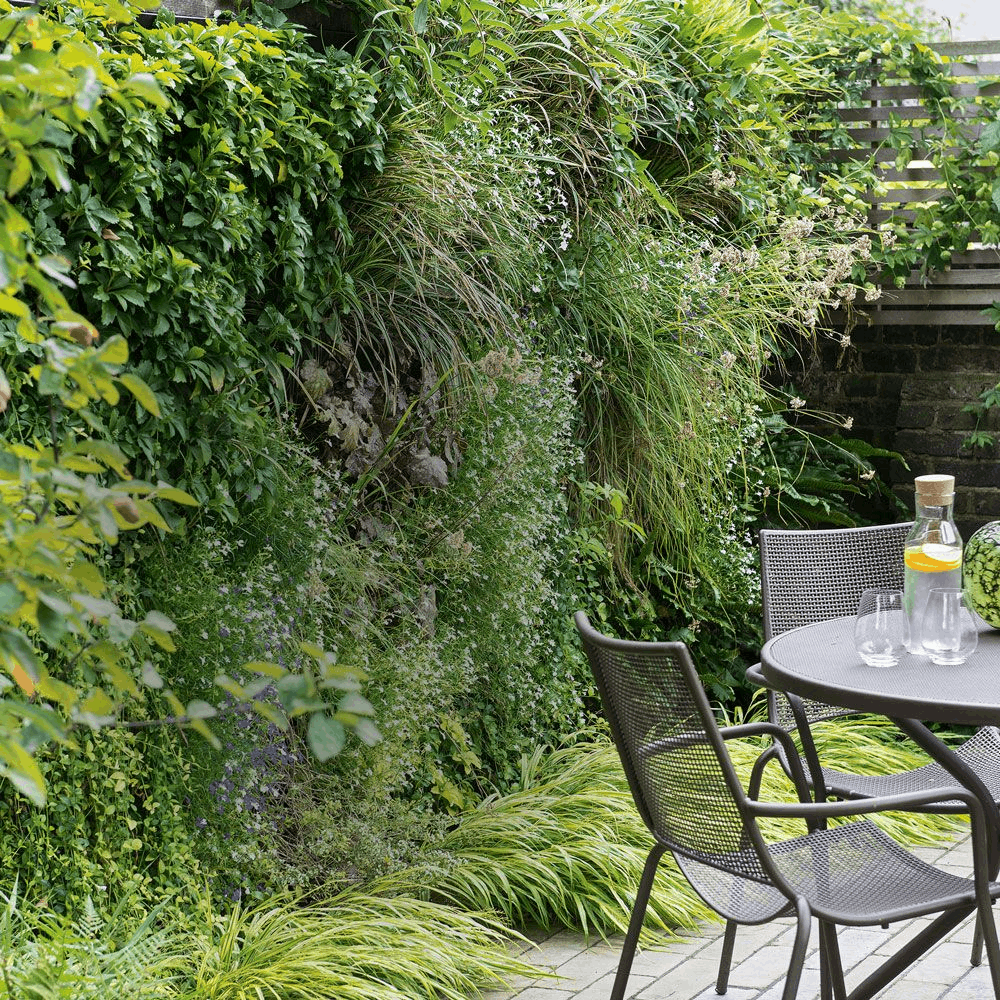
A living green wall can bring planting directly into the structure of your garden, softening hard landscaping and adding colour and texture. Whether you use climbing plants against a wall, trailing plants along the top or a dedicated planted system, greenery can make a wall feel like part of the garden rather than a separate structure.
This works particularly well for courtyard gardens, contemporary spaces and smaller gardens where vertical planting can make better use of limited space. Choose plants suited to the wall’s aspect and growing conditions, and consider how much maintenance you’ll be happy to take on before choosing this option.
Sunken Wall
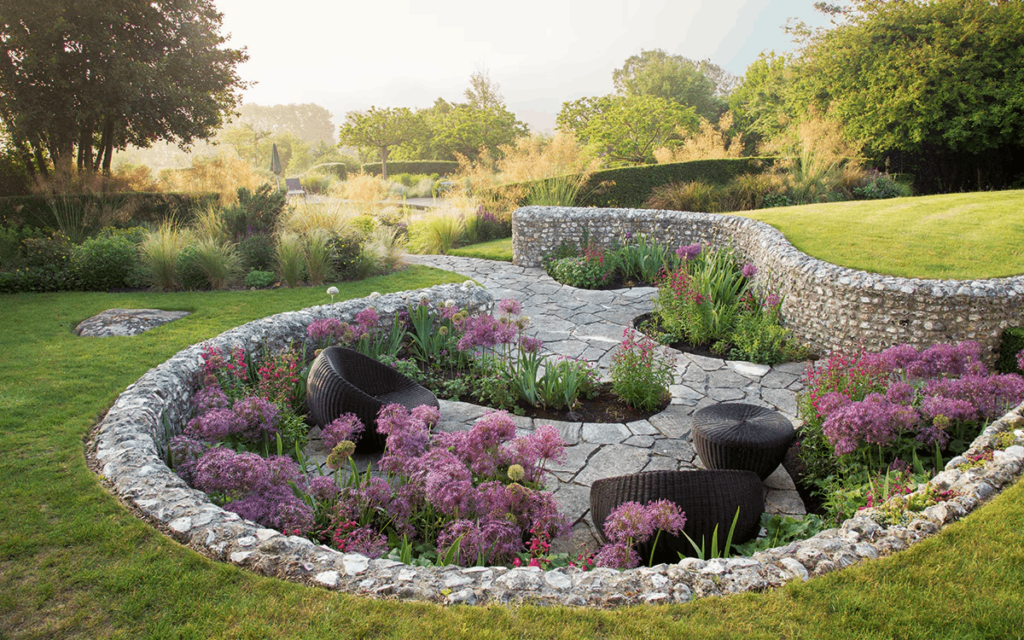
A sunken garden can turn a change in level into a feature, creating a lower seating area, lawn or entertaining space rather than simply trying to level out a sloping garden. Surrounding walls help define the space and can create the feeling of a separate outdoor room.
Sunken patios and seating areas can be particularly effective, with the surrounding walls also providing opportunities for planting or informal seating. Because these walls retain soil, proper drainage and structural design are important, particularly where significant amounts of earth are being held back.
Dwarf and Knee High Walls
Dwarf and knee-high walls are a simple way to add structure and definition without making a garden feel enclosed. They can separate a patio from a lawn, edge planting beds, create a low boundary or help divide different areas while keeping the space visually open.
Their low height also means they can serve more than one purpose. A suitably wide and capped wall can provide informal seating, while a slightly raised wall can double as a planting bed. Stone, brick and other walling materials can be used depending on whether you want a traditional or contemporary finish.
Garden Wall Finishing Touches
Coping Stones
Which Type of Wall Is Best For Your Garden?
The right garden wall depends on what you want it to achieve. For retaining garden wall ideas, for example, the wall needs to be designed around the slope and the amount of soil it will hold back. Other projects might involve creating a raised planting area, dividing the garden or building a series of level terraces. Use the table below as a quick guide to the main options, suitable materials and the level of DIY experience each project typically requires.| Wall Type | What It’s For | Suitable Materials | DIY Difficulty |
|---|---|---|---|
| Retaining Wall | Holding back a slope or change in level, reclaiming usable garden space | Natural/reconstituted stone, brick, concrete block, timber sleepers | Easy (low walls) to Professional (tall walls) |
| Raised Bed | Improved soil drainage, easier planting access, a defined growing space | Timber, stone, brick, concrete | Easy – Moderate |
| Terracing | Turning a steep slope into several level, usable platforms rather than one tall wall | Natural/reconstituted stone, concrete block, timber sleepers | Moderate – Professional |
| Boundary/Divider Wall | Marking a property edge or dividing a garden into zones | Stone walling, brick, gabion, porcelain cladding | Easy – Moderate |
What You Need to Know Before You Build
The wall you choose needs to work for both your garden and the conditions it will be built in. Before you start, consider drainage, structural requirements and whether the project is suitable for DIY installation.Does a Garden Retaining Wall Need Drainage?
Yes, most retaining walls need proper drainage. Water that collects in the ground behind the wall creates hydrostatic pressure, which can gradually push the wall out of position. Rather than necessarily failing immediately, an inadequately drained wall can begin to bow over time until it eventually needs rebuilding. Proper drainage typically involves a granular backfill layer, together with a land drain or weep holes to give water an escape route. A geotextile membrane can also be used to prevent soil and silt from entering the drainage layer and reducing its effectiveness over time.Is Building a Garden Wall a DIY Job?
It depends on the wall. A short retaining wall can be achievable for a confident DIYer, but taller retaining walls, or anything supporting a structure or holding back a significant volume of earth, should be designed by a structural or civil engineer. Some simpler construction methods, such as low gabion walls and dry-stone-style walling, including Cotswold and Random walling, can be realistic DIY projects. Taller bonded walls and poured concrete structures are generally better left to professionals, as structural faults may not become apparent until the wall has set or the retained ground begins to move.Do You Need Planning Permission for a Garden Wall?
Most garden walls don’t need planning permission, provided they meet the relevant permitted development limits. In England, a wall is generally limited to 2 metres in height, or 1 metre where it fronts a highway used by vehicles, measured from the highest adjacent ground level. There are exceptions, particularly for taller retaining structures and walls close to roads or other properties, so it’s worth checking your specific circumstances before building. Planning and building regulations also differ across England, Scotland, Wales and Northern Ireland, so check with your local authority if you’re unsure whether approval is required.Ready to Build Your Garden Wall?
Whatever you’re planning, Minster Paving has a genuine range of walling and coping products to help bring your garden wall ideas to life. From traditional stone walling to contemporary finishes, there are options to suit different styles, applications and budgets. Explore the full walling range and find the materials you need for your garden project.Garden Wall FAQs
Can I build a garden wall myself?
Yes, low walls, raised beds and simpler structures such as gabions can be suitable for DIY, while taller retaining walls and structures holding back significant amounts of earth should be professionally designed and built.
Do garden retaining walls need drainage?
Yes, most retaining walls need drainage, typically using a drainage layer, land drain or weep holes and a geotextile membrane to prevent water pressure building up behind the wall.
What’s the difference between a garden wall and a retaining wall?
A garden wall can be used to define boundaries, divide spaces or add structure to a garden, while a retaining wall has the specific job of holding back soil. Retaining walls therefore need to be designed to withstand the additional pressure from the ground behind them.
Why do I need coping stones on my garden wall?
Coping stones cap the top of a wall, helping to protect it from water and weathering while giving it a neat, finished appearance. On lower walls, flat coping can also provide a practical surface for seating.
Can I mix different walling products in the same garden?
Yes. Mixing walling materials can add interest and help define different areas of a garden. For example, traditional stone walling could be used alongside brick, porcelain cladding or timber, provided the colours, textures and overall styles work together.