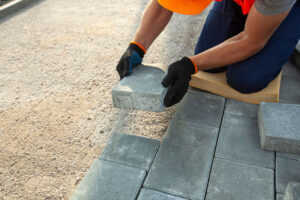
How to Cut Paving Slabs
Cutting paving slabs is a straightforward job when you have the right tools and know what you’re doing. By following this comprehensive guide by Minster


Designing your dream garden and looking for garden border edging ideas? You’ve come to the right place. Garden edging and borders may seem like small details to add to your garden, but they can have a big impact on the look and feel of your outdoor areas. Thoughtful edging can transform a garden, giving it definition, structure, and personality whilst tying together pathways, patios, flower beds, and lawn areas.
In this article, we will explore a variety of garden edging ideas, from budget-friendly DIY options to high-end materials that are sure to impress visitors, all aimed at helping you find the perfect style to complement your outdoor spaces.
We’ve curated a list of edging and border suggestions to try in your next garden project, suiting both contemporary and traditional spaces. Not sure where to find the materials to get started? At Minster Paving, we supply a large variety of different materials to start shaping your garden’s borders just the way you want!

Brick or stone edging is a timeless choice that gives gardens a classic, structured look and suits several different types of paving. Reclaimed bricks can be arranged in various patterns, either flat or stacked for height, while stones provide a natural, rustic appearance. Both materials add durability and can be used to define paths, beds, or patio areas, neatly dividing specific areas of your garden.

Perhaps the most popular budget-friendly option, pre-assembled edging rolls offer an organic look for traditional and cottage-styled gardens. Often made from materials such as treated wood or bamboo, these edgings provide a natural and lightweight border that is easy to install, even for inexperienced gardeners. Edging rolls are flexible, meaning they can follow straight or curved lines in your outdoor spaces.

Sticking with natural solutions, small tree trunks and woven branches, such as wattle fencing, can create earthy edgings that blend seamlessly with your flower beds. This DIY-friendly, inexpensive solution is ideal for shaping a cosy woodland look, especially in households who love to use sustainable materials.

Metal edging, using materials such as steel or aluminium, is a sleek and durable solution that is particularly desired in modern gardens. Some metal edging is rigid, meaning it can only be used for neat, straight lines, but more flexible solutions exist for curved flower beds, lawns, driveways, and patios, such as CORE Edge steel edging.

A garden border made from rocks, gravel, or pebbles is an affordable and appealing option that suits most garden styles. River rocks, gravel, or larger pebbles can be laid out to softly define garden beds and paths, offering a tranquil, natural look that particularly compliments water features. This edgings idea is particularly low-maintenance since it uses natural materials, and can be easily moved if you decide to reshape areas of your garden.
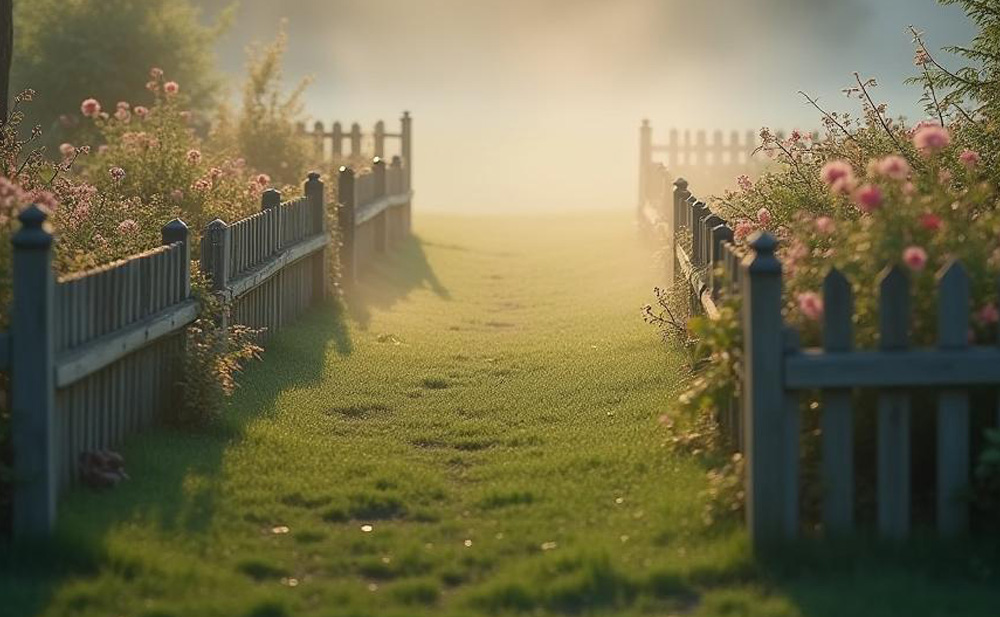
Mini picket fences are an all-time favourite for many households in the UK, and it is easy to understand why! Particularly charming, these small wooden or plastic fences evoke a classic feel for many types of outdoor spaces. Commonly seen in front gardens (but just as effective in back gardens, too), mini picket fences add a touch of character without enclosing large areas.

A unique idea for DIY enthusiasts, repurposing old materials such as glass bottles can add a personal, colourful twist to garden borders. A fun and sustainable way to add to your garden, these bottles can either be buried neck-down or upright for an artistic and eco-friendly edging solution that doesn’t break the bank.

This idea proves that you don’t always need to add a physical item to create a border; neatly trimmed lawn edging defines spaces with nothing more than careful trimming along flower beds and pathways. This method creates clean, sharp lines that separate grass from planting areas, allowing flowers and lawns to stand out without added materials. However, it is important to maintain these edges to keep your clean look intact!

Low-growing plants or shrubs, such as Stonecrop or Lithodora, make excellent borders that soften garden edges with lush greenery and colour. Other varieties to try include Boxwood or Lavendar, which add texture and fragrance to create a natural and flexible way of framing flower beds, lawns, and patios.

For gardens looking to go the extra mile with their decorative elements, mosaics add an artistic touch to garden borders, using broken tiles, coloured glass, or unique ceramics. This DIY option offers a fun way of injecting colour and patterns into your outdoor haven, creating unique edges that reflect your style and invigorate garden spaces.

Manufactured concrete edging is a popular choice that comes in many different shapes, sizes, and colours. We stock concrete edging that emulates rope, complete with corner dollies, as well as concrete Chamfer, Mill, and Scalloped edging that matches a large variety of paving types! This sturdy, versatile option works particularly well alongside patios and garden paths, defining your most desirable areas and giving your garden an attractive finish.

Flexible plastic edging is a budget-friendly and easy-to-install solution, ideal for defining curved beds and pathways. It creates a subtle, neat boundary while allowing for flexibility in design, especially useful in landscapes with organic, flowing shapes. If you don’t have the budget for flexible metal edging, plastic edging can often be a great, practical substitute that gives a similar look to your garden.

Timber edging is a versatile and natural choice for defining garden beds, pathways, or lawn boundaries, often made from durable wood like treated pine or cedar. Timber edging is very easy to install and maintain, ideal for curved or straight designs to suit any garden layout, and is a particularly attractive option when blended with bright plants in traditional-style gardens.
Installing garden edging and borders offers a range of benefits that go beyond aesthetics, adding structure, functionality, and ease of maintenance to any outdoor space. Here are some key reasons to consider:
At Minster Paving, our team is vastly experienced in the world of paving and related products, serving the people of Oxfordshire and beyond for numerous years. Our paving advisors can help you choose the paving and edging that is right for you, helping you bring your project ideas to life the way you always planned them. To speak to our team, please visit our Standlake showroom or contact us today!
Flexible plastic edging is often the easiest to install, as it requires minimal digging and can follow straight or curved lines, making it an excellent choice for budget-friendly DIY projects.
The best garden edging depends on your garden style and needs. For durability and a refined look, brick or stone edging works well and requires little maintenance. For a natural aesthetic, timber edging blends seamlessly with plants and greenery, while metal edging provides a modern, sleek finish that’s also long-lasting.
This largely depends on the material choice; deeper edges provide better stability and help prevent shifting, especially for materials like brick or stone. Ideally, ⅓ of the material should be below the surface.
Flexible materials, such as plastic or metal edging, are ideal for creating curves. These materials can be shaped to follow organic lines in the garden, allowing for creative designs beyond straight edges.
Maintenance depends on the material. For example, timber may need periodic treatment to prevent rot, while metal can be cleaned to maintain its finish. Regularly check for any shifting or sinking and adjust as needed to keep the edging neat.
Cutting paving slabs is a straightforward job when you have the right tools and know what you’re doing. By following this comprehensive guide by Minster

How Much Fall Should a Patio Have? This is the question that many people ask when they begin to build their first patio. We’ve created


